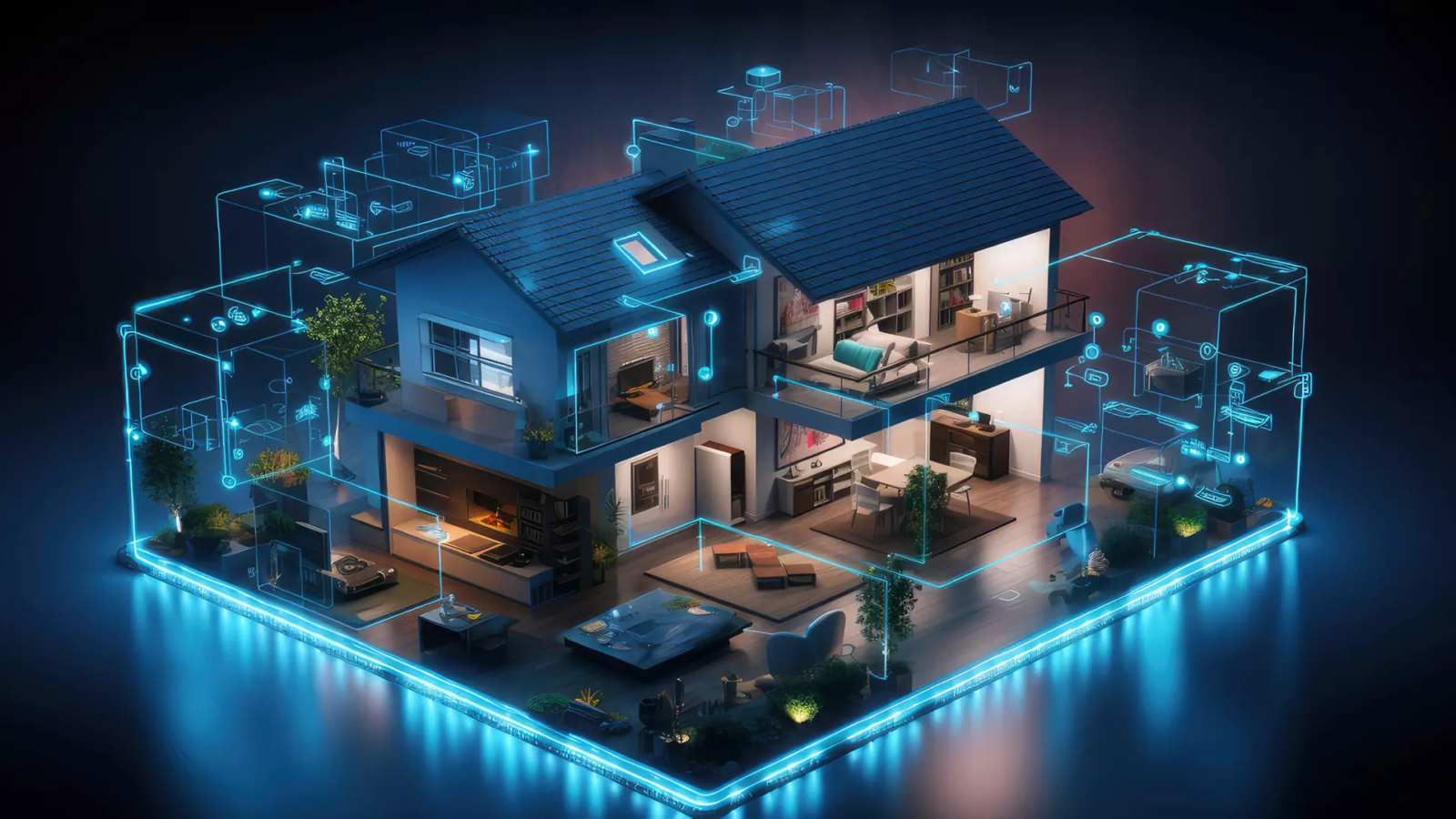
In our rapidly advancing technological era, the convergence of Cognitive Science, Architecture, and Computer Science has paved the way for groundbreaking innovations in the design and functionality of Smart-Homes and buildings. Beyond the realm of convenience and efficiency, these cutting-edge technologies are now being harnessed with a profound purpose – to create inclusive living spaces that cater specifically to the unique needs of individuals with autism.
Understanding the Need
Individuals with autism often experience challenges in sensory processing, communication, and social interaction. Smart homes designed with insights from cognitive science aim to address these challenges by providing a supportive environment that enhances the overall quality of life for individuals on the autism spectrum.
The Intersection of Sciences
In the realm of smart-homes for autism, the intersection of architecture, cognitive science, and computer science is particularly powerful. Through the application of artificial intelligence (AI), machine learning, and data analytics, these homes can adapt to the preferences and needs of individuals with autism, creating a personalized and comfortable living experience.
Sensory-Friendly Environments
Smart-homes for autism incorporate sensory-friendly features, such as adjustable lighting, temperature control, and sound modulation. These elements are crucial for creating a calming atmosphere, considering the heightened sensitivities often experienced by individuals with autism. Smart technologies can intuitively adjust the environment based on the individual’s preferences.
Communication and Connectivity
Communication is a vital aspect of everyday life, and smart homes are leveraging technology to bridge gaps for individuals with autism. Voice-activated assistants, visual schedules, and communication apps integrated into the home environment provide tools for effective communication and social interaction. These technologies empower individuals with autism to express themselves and engage with their surroundings more comfortably.
Independence and Safety
Smart home technologies play a pivotal role in promoting independence and safety for individuals with autism. Automated features such as smart locks, thermostats, and security systems offer increased control over the living space, instilling a sense of autonomy. In case of emergencies, these systems can also facilitate prompt responses, ensuring the safety and well-being of residents.
Future Implications
As technology continues to advance, the future of smart homes for autism holds immense promise. Ongoing research and collaborations between experts in various fields contribute to the refinement and expansion of these technologies, making them more accessible and tailored to individual needs.
In conclusion, the integration of science and cutting-edge technologies into the design of smart homes and buildings marks a significant leap forward in promoting inclusivity and improving the lives of individuals with autism. By fostering independence, enhancing communication, and providing sensory–friendly environments, these innovative spaces contribute to creating a world where everyone, regardless of neurodiversity, can thrive in their living environments.
At Boost Brain Capital Co., we have meticulously crafted numerous of solutions aimed at transforming homes and buildings into smart, autism-friendly environments. Our commitment to innovation and inclusivity drives the development of cutting-edge technologies that not only enhance the smart capabilities of living spaces but also cater specifically to the unique needs of individuals with autism.
Leave A Comment